


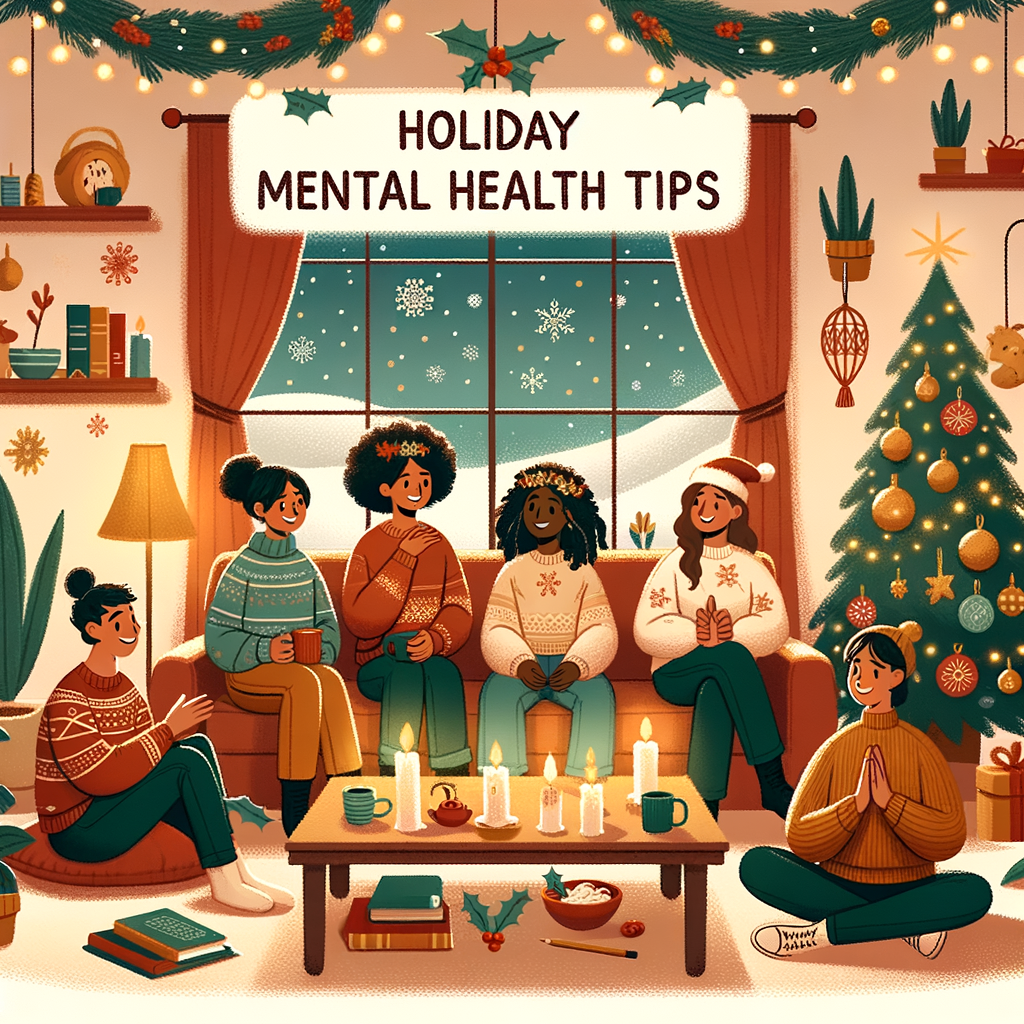
Taking Care of Your Mental Health During the Holidays and New Year: A Guide to Wellbeing
Taking care of your mental health during the holidays and new year can often be overlooked amid the hustle and excitement of the season. While this festive time is meant to bring joy and togetherness, it also tends to usher in unique stresses and emotional challenges. Feelings of anxiety, loneliness, or overwhelm can surface, making it crucial to prioritize mental wellness as you navigate holiday obligations and new beginnings.
The Emotional Landscape of the Holidays
The holidays are commonly associated with happiness, family gatherings, and celebration. However, the reality is more nuanced for many people. The pressure to meet expectations, attend social events, and give the “perfect” gifts can contribute to stress and exhaustion. Additionally, the season may amplify feelings of loneliness or grief for those missing loved ones or coping with strained relationships.
Acknowledging these emotions is the first step to managing them. Remember: it’s completely normal not to feel jolly every moment during this time. Allowing yourself to be mindful of your emotions encourages healthier coping mechanisms, rather than bottling up feelings that can eventually lead to burnout.
Why the New Year Intensifies Mental Health Challenges
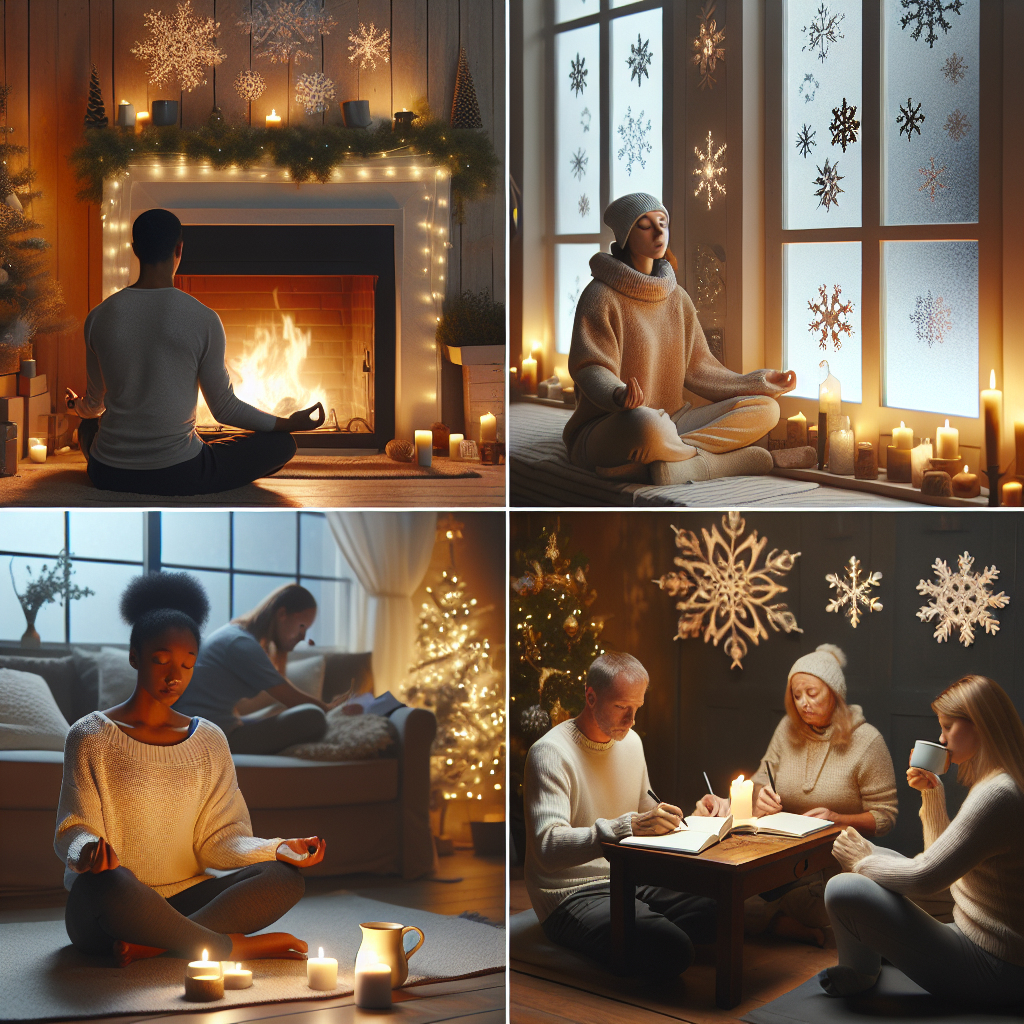
While holiday stress often gets the spotlight, the transition into a new year brings its own set of concerns. The pressure of setting resolutions, reflecting on the past year, and facing uncertainties about the future can increase anxiety. This is especially true if you’re already feeling depleted from holiday demands.
Taking care of your mental health during the holidays and new year means recognizing that this period is not just about celebration and resolutions—it’s also a time for self-reflection and self-care. Prioritizing your wellbeing sets a positive tone for the months ahead.
Practical Tips for Protecting Your Wellbeing
1. Set Realistic Expectations
It’s easy to strive for perfection in creating holiday memories or achieving lofty new year goals. However, being realistic about what you can handle prevents disappointment and stress. Consider scaling back social commitments, delegating tasks, or simplifying traditions. Focus on what matters most to you and your loved ones.
2. Maintain Healthy Boundaries
Learning to say “no” is essential for self-care. You don’t have to attend every event or meet every expectation placed on you. Setting boundaries—whether regarding time, energy, or spending—protects your mental space and helps you stay present during meaningful activities.
3. Prioritize Self-Compassion
The end of the year can prompt self-criticism as you take stock of your accomplishments or unmet goals. Remember that progress is personal, and not every year will look the same. Treat yourself with kindness regardless of your achievements, and celebrate small victories along the way.
4. Stick to Healthy Habits
Routine often falls by the wayside during the holidays. Prioritizing basics—such as getting enough sleep, eating well, and engaging in physical activity—supports emotional balance. Even short walks, mindful breathing, or nutritious snacks can make a big difference in how you feel.
5. Reach Out for Support
Social connection is a cornerstone of good mental health, but quality often matters more than quantity. Stay in touch with friends or family with whom you feel safe and supported. If you’re struggling, consider seeking professional help or joining support groups, many of which offer virtual options during busy times.
Addressing Loneliness and Grief

For some, the holidays are a stark reminder of personal losses or estrangement. If you’re coping with grief, be gentle with yourself. Honor loved ones through meaningful rituals or by sharing memories. If loneliness is a concern, find ways to connect—whether through community events, volunteering, or reaching out to others who may also be feeling isolated.
Welcoming the New Year with Mindfulness
Rather than focusing solely on resolutions, try setting intentions for the new year. Intentions emphasize values and mindful actions, like being more present or practicing gratitude. Reflect on your personal growth and look for small, sustainable steps you can take to nurture your mental health throughout the year.
Conclusion

Taking care of your mental health during the holidays and new year is an ongoing process, not a one-time event. By being aware of your emotional needs, setting boundaries, and leaning into support systems, you can navigate this busy season with greater peace and resilience. Remember that prioritizing your wellbeing isn’t selfish—it’s the best gift you can give yourself as you move into the new year.