


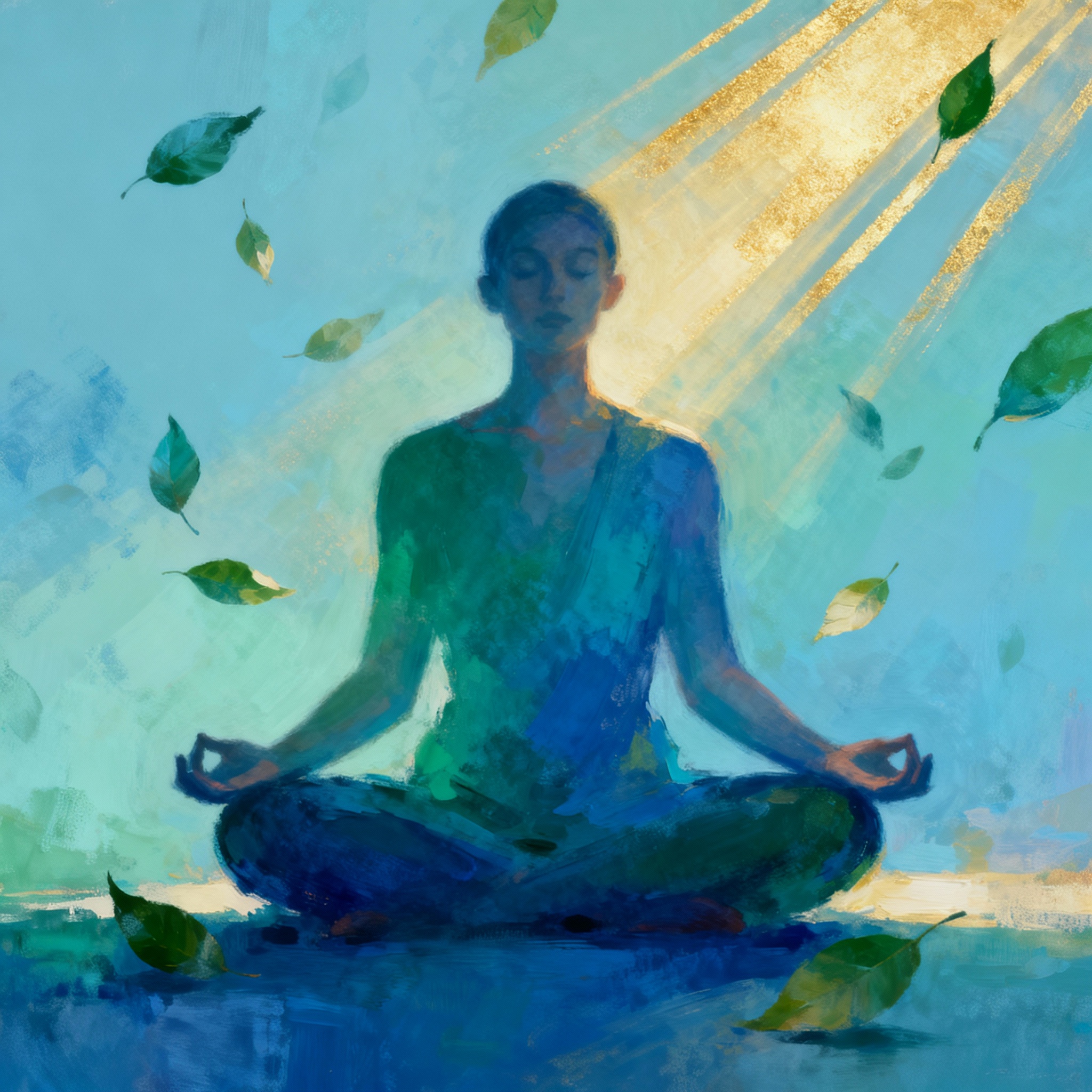
Living with anxiety can be overwhelming, but mindfulness techniques offer a powerful way to find calm and balance in your daily life. These evidence-based practices help you stay present, reduce stress, and develop a healthier relationship with your thoughts and feelings. Whether you’re new to mindfulness or looking to expand your toolkit, these five techniques can make a meaningful difference in managing anxiety.
Deep Breathing Exercises
One of the simplest yet most powerful mindfulness techniques is focused breathing. When anxiety strikes, your breath often becomes shallow and rapid. By consciously slowing your breath and focusing on each inhale and exhale, you activate your parasympathetic nervous system, which promotes relaxation. Try the 4-7-8 technique: breathe in for 4 counts, hold for 7, and exhale for 8. Practice this for just a few minutes daily to reduce anxiety symptoms.
Body Scan Meditation
A body scan is a systematic way to check in with physical sensations throughout your body. Starting from your toes and moving upward, you bring gentle awareness to each body part without judgment. This practice helps release tension you may not even realize you’re holding and grounds you in the present moment. It’s especially effective before bed or when you feel disconnected from your body due to anxiety.
Mindful Observation
This technique involves choosing an object—a flower, a piece of fruit, or even a simple rock—and observing it with full attention for several minutes. Notice its colors, textures, shapes, and details as if seeing it for the first time. This practice trains your mind to stay present and interrupts anxious thought patterns by redirecting your attention to something tangible in your environment.
Loving-Kindness Meditation
Anxiety often comes with harsh self-criticism and negative self-talk. Loving-kindness meditation counteracts this by cultivating compassion toward yourself and others. Start by directing phrases like “May I be safe, may I be healthy, may I be at peace” toward yourself, then gradually extend these wishes to others. Regular practice can reduce anxiety and increase emotional resilience and self-acceptance.
Mindful Walking
You don’t need to sit still to practice mindfulness—walking can be a powerful meditation too. As you walk slowly, pay attention to each step, the sensation of your feet touching the ground, the rhythm of your movement, and the sights and sounds around you. This practice is perfect for people who find traditional seated meditation challenging and provides a gentle way to calm your mind while moving your body.
Incorporating these mindfulness techniques into your daily routine doesn’t require hours of practice. Even five to ten minutes a day can significantly impact your anxiety levels and overall mental wellbeing. Start with one technique that resonates with you, practice it regularly, and gradually explore others. Remember, mindfulness is a skill that develops over time—be patient and compassionate with yourself as you learn. With consistent practice, you’ll discover greater peace, resilience, and the ability to navigate anxiety with confidence and calm.