AI Therapy: Stunning Benefits to Effortlessly Enhance Treatment
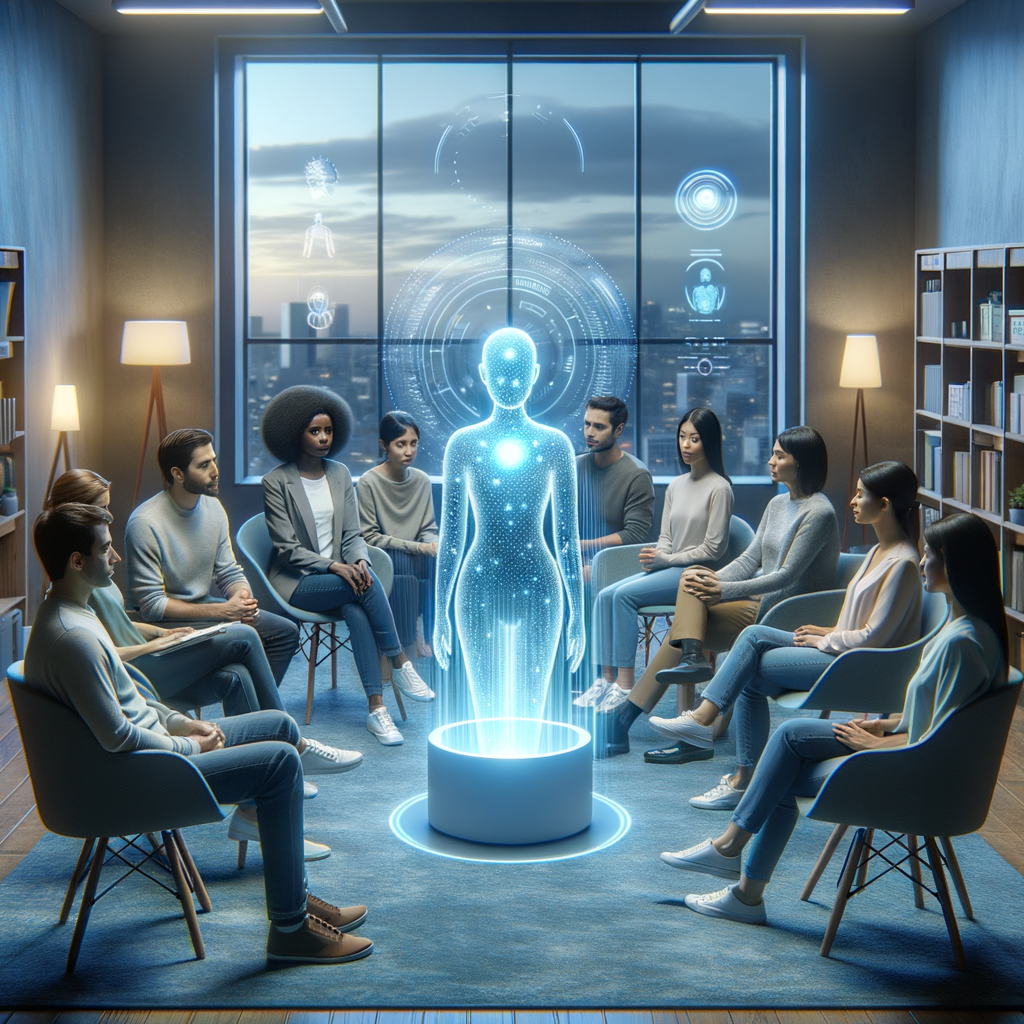
Discover the remarkable AI therapy benefits that are transforming mental health care—not by replacing traditional therapy, but by effortlessly enhancing support and accessibility for those who need it most.
Exploring Psychedelic-Assisted Therapy: Recovery from Addiction with Mushrooms, DMT, MDMA & LSD
Exploring Psychedelic-Assisted Therapy: Recovery from Addiction with Mushrooms, DMT, MDMA & LSD The landscape of addiction treatment is evolving rapidly as researchers and clinicians explore new avenues to promote lasting recovery. Psychedelic-assisted therapy, once relegated to the fringes of medicine, is now gaining momentum as a promising tool in the fight against addiction. Compounds such as psilocybin (from “magic mushrooms”), DMT, MDMA, and LSD are being investigated for their ability to aid individuals grappling with substance use disorders. This article delves into how these substances are shaping the future of addiction therapy, highlighting their mechanisms, clinical evidence, and ethical considerations. The Science Behind Psychedelics and Addiction Traditional approaches to addiction focus on behavioral therapies, medication-assisted treatments, and peer support. However, relapse rates remain significant, prompting a search for innovative solutions. Psychedelics work differently from conventional treatments; they profoundly alter perception, emotion, and cognition by interacting with serotonin receptors—particularly the 5-HT2A receptor—in the brain. Emerging research suggests psychedelics can disrupt deeply entrenched patterns of thought and behavior that underlie addiction. They may promote neuroplasticity, helping the brain reorganize itself, and foster experiences of interconnectedness, self-compassion, and motivation for change. These effects, when harnessed in therapeutic settings, can catalyze breakthroughs that were previously unattainable through talk therapy alone. Psilocybin Mushrooms: Opening Doors to Recovery Psilocybin, the psychoactive component in “magic mushrooms,” has shown remarkable promise in addiction therapy, particularly for tobacco, alcohol, and even opioid use disorders. In guided sessions led by trained professionals, individuals ingest controlled doses of psilocybin, resulting in altered consciousness and often profound, mystical experiences. Clinical trials have demonstrated that psilocybin-assisted therapy can produce significant, lasting reductions in substance use. Participants frequently report transformative insights into the roots of their addiction, increased motivation to change, and a renewed sense of purpose. Unlike daily medications, psilocybin is typically administered only a handful of times, with effects that extend far beyond the immediate session. DMT and LSD: Rewiring the Addicted Brain N,N-Dimethyltryptamine (DMT) and lysergic acid diethylamide (LSD) are both potent psychedelics with unique therapeutic profiles. While DMT induces short but intense experiences (often just 20-60 minutes), LSD trips last much longer but are similarly profound. Research on these substances indicates that, under proper supervision, they can help individuals process trauma, reframe self-destructive beliefs, and experience a ‘reset’ of mental patterns. For instance, LSD’s ability to temporarily dissolve the sense of self (ego dissolution) can interrupt the repetitive thoughts and behaviors driving addiction. DMT, on the other hand, is currently being explored for its rapid-acting effects, which may be beneficial for individuals who require immediate relief from cravings or mood disturbances. MDMA: Healing Through Connection and Emotion MDMA (commonly known as Ecstasy) differs from classic psychedelics in that it primarily enhances feelings of empathy, connection, and emotional openness. While best known for its use in PTSD therapy, preliminary studies suggest MDMA can also assist in addiction recovery, particularly for individuals whose substance use is linked to trauma or emotional pain. MDMA-assisted sessions create a safe environment in which clients can confront difficult emotions and memories without being overwhelmed by fear or shame. This emotional processing can be critical for breaking the cycle of substance abuse and building new, healthier coping strategies. Ethical, Legal, and Practical Considerations As psychedelic-assisted therapy moves into the mainstream, important questions about ethics, safety, and accessibility arise. These powerful substances are not without risks—they must only be used within controlled, professional settings, with careful screening and integration support. In addition, the legal status of psychedelics varies widely by region, and ongoing research is needed to refine treatment protocols, dosing, and guidelines. It’s equally vital to ensure that therapy is culturally sensitive and not exploited for profit or misuse. Advocates stress the importance of education, de-stigmatization, and providing equitable access to marginalized populations who stand to benefit from these therapies. Looking Ahead: Psychedelics and the Future of Addiction Treatment Psychedelic-assisted therapy marks a paradigm shift in how we approach addiction and recovery. The unique ability of psilocybin, DMT, MDMA, and LSD to foster deep introspection, emotional healing, and neurobiological change offers new hope for those facing substance use disorders. As research progresses and clinical practices evolve, these compounds could become vital components of comprehensive, compassionate addiction treatment programs—illuminating the path towards lasting recovery.
Exploring Mushrooms in Psychedelic Therapy: Transforming Mental Health

Exploring Mushrooms in Psychedelic Therapy: Transforming Mental Health **Introduction** Mental health disorders such as depression, anxiety, and PTSD affect millions worldwide, often resisting conventional treatment options. In recent years, however, a powerful yet ancient resource has resurfaced at the forefront of therapeutic innovation: psychedelic mushrooms. Once relegated to the fringes of medical and cultural discourse, these naturally occurring fungi are finding new purpose in clinical settings. With mounting evidence from scientific trials and patient testimonials, psychedelic mushrooms are rapidly transforming our understanding and treatment of mental health issues. **A Brief History: From Ancient Rituals to Modern Science** Psychedelic mushrooms, notably those containing the compound psilocybin, have long held a place in indigenous healing practices. Used for centuries in spiritual and shamanic ceremonies, they were believed to facilitate profound emotional and psychological healing. However, the Western medical community largely disregarded their therapeutic potential throughout much of the twentieth century, particularly after regulatory crackdowns in the 1970s. Interest in the mental health applications of mushrooms experienced a renaissance in the early 2000s as preliminary studies demonstrated their capability to induce deeply meaningful and transformative experiences. Today, world-class research institutions such as Johns Hopkins and Imperial College London are leading a resurgence, conducting rigorous studies that illuminate both the safety and effectiveness of psilocybin-assisted therapy. **How Psychedelic Mushrooms Work in Therapy** The active compound in psychedelic mushrooms, psilocybin, interacts with serotonin receptors in the brain, particularly the 5-HT2A receptor. This interaction causes changes in perception, mood, and cognition. In a therapeutic context, these effects create a heightened state of emotional introspection and neural flexibility. Patients often report experiencing a profound sense of connection, altered perspectives about the self, and insights into difficult emotional patterns. In controlled settings, therapists guide patients through the preparatory, active, and integrative stages of a psychedelic session. These sessions typically take place in safe environments, with patients lying comfortably and listening to music. Clinicians support individuals as they process intense experiences, helping translate newfound insights into lasting psychological change. **Clinical Breakthroughs: Evidence for Efficacy** Recent clinical trials have produced remarkable results, particularly for treatment-resistant forms of depression and anxiety. For example, a groundbreaking study published in *The New England Journal of Medicine* found that just two sessions of psilocybin-assisted therapy produced rapid and sustained reductions in depressive symptoms, outperforming traditional antidepressants for many participants. Furthermore, research indicates that psilocybin therapy holds promise for patients facing existential distress associated with terminal illness, as well as those struggling with PTSD and addiction. The therapeutic benefits are thought to arise not just from neurological changes but also from the sense of meaning, unity, and emotional release that characterize the psychedelic experience. **Challenges and the Road Ahead** Despite their immense promise, psychedelic mushrooms in therapy are not without challenges. Legal restrictions remain a significant barrier, though some regions in the U.S. and Canada have recently moved toward decriminalization or limited medical use. Additionally, robust training programs for therapists, ethical guidelines, and clear protocols are essential to ensure safety as this field grows. Concerns about accessibility and equitable treatment also loom large. Access to psilocybin therapy is currently limited, and high costs can prevent those in need from reaping its potential rewards. As public awareness grows and regulatory landscapes evolve, expanding safe and fair access will be a critical focus for advocates and clinicians alike. **Conclusion** The resurgence of psychedelic mushrooms in psychotherapy represents a significant leap forward in mental health care. As clinical evidence mounts and societal attitudes shift, these once-misunderstood organisms are poised to usher in a new era of healing for those struggling with intractable psychological conditions. With continued research, open dialogue, and thoughtful integration into mainstream medicine, psychedelic-assisted therapy stands to transform countless lives and enrich our collective approach to mental wellness.